
How Should We Power Our Future?
 Dominion Virginia Power is getting ready to restart their reactor at the Surry Plant on the James River. They shut down both of their reactors as a result of April’s tornados and while Reactor 1 was up and running pretty quickly it took this long to open up Reactor 2.
Germany has recently announced that it will close all of its nuclear plants by 2022. This comes as the world reacts to the continuing crisis at the Fukushima plant in tsunami-damaged Japan. We already know that we need to reduce our dependence on coal and we need to find carbon-free alternatives to lighting up our homes and businesses but these crises make us wonder in which direction to go.
What is the cost per kilowatt to produce power? Coal is $.16 per kilowatt-hour, nuclear is $.26, but wind is just $.14. Coal comes with an obvious cost, nuclear is becoming scary, but wind is cost effective and renewable. You don’t have to dig, drill, frack or fuse to get it. Put up a wind turbine and let it blow!
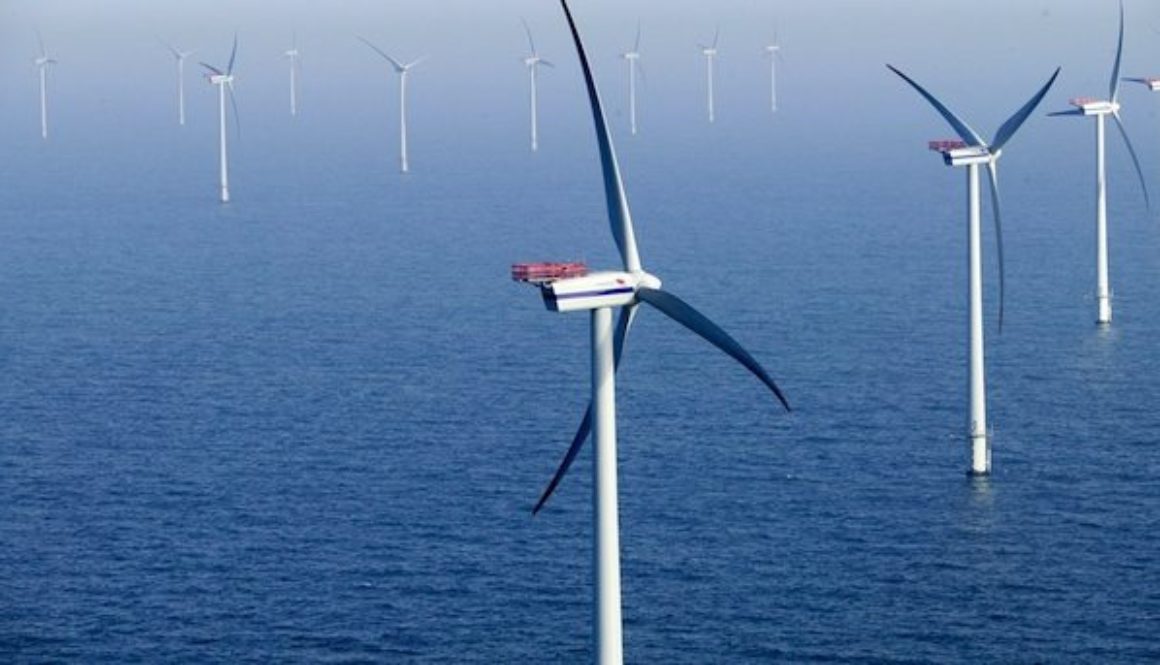
Wind farms would be great in the Mid-Atlantic. The Outer Banks through the Virginia coast have some of the strongest and most consistent winds in North America. The shallow coastline in the Mid-Atlantic also makes it ideally suited to building and maintaining these wind farms far enough off shore to reduce the potential harm to wildlife and human interaction. A common complaint is the vibration noise of wind farms. Plans for these farms put them far enough out to sea to seem to eliminate that issue. Besides, the average commercial wind turbine generates about the same volume from 750 to 1000 feet as a household refrigerator.
Bird strikes? 1 to 2 per turbine per year. Compare that to 60 million per year with vehicles, 98 million with buildings, or the 500,000 that perished in the Exxon Valdez accident.
What about reliability? Storage continues to be the biggest issue. Winds are often highest when demand is lowest and lightest when demand is highest. No type of power plant, however, produces energy 100% of the time. A typical commercial turbine needs just 8 mph of wind to rotate and produce energy. The area being discussed in Virginia and North Carolina meets this criteria 86% of the time. The other 14% could be solar or conventional but imagine the reduction! It is kind of like a hybrid car. Accelerate with gas and switch to electric for the haul.
As we continue to conserve and reduce our dependence on traditional fossil fuels tell us: What is your vision of the future of Virginia’s energy?