
Cleaning Up Litter Makes a Difference
 The beautiful James River flows across the state, beginning in the Appalachian Mountains and running 348 miles to the Chesapeake Bay. It was important for transportation for native Americans, Colonists, and the booming tobacco business. But by the 1970’s, it was a mess.
It has taken over four decades to take the river from one of the nation’s most polluted rivers to one of its most improved. With the help of the James River Association, the James River Advisory Council, the volunteers who cleanup, Citizen Scientists, and others who support these and other groups, the James River is now home to some of the largest populations of bald eagles, oysters, and Atlantic sturgeon on the East Coast.
Less litter in the landscape means less litter in the water. Fewer cigarette butts going down storm drains means healthier streams, rivers, and Chesapeake Bay. Clean water and a safe, natural habitat are what wildlife needs to thrive. From the thousands of birds that migrate along the Eastern Shore, mammals, amphibians, and the deer and turkey that have rebounded from near extinction, we benefit from their circle of life. We should always strive to provide them with a clean environment.
Want to see some wildlife up close yourself? Check out the live cameras that are following falcons, eagles, and even fish, as they thrive in their natural environment.
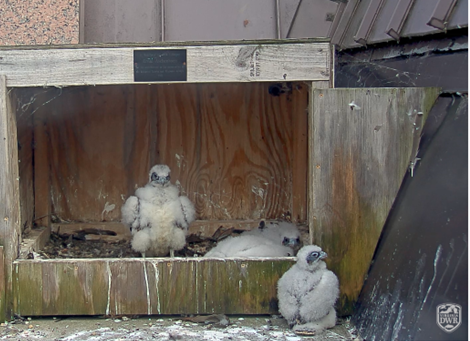 The Falcon Cam follows a peregrine falcon pair that nest in downtown Richmond atop the Riverfront Plaza building. The Richmond Falcon Cam has for years documented peregrine courtship rituals, territorial disputes, egg laying, hatching, and chick development. Along the way it’s become a popular resource for not only avid wildlife watchers but also teachers and the public in general.
Nest cameras provide live-streamed, high-definition insight into the movements of Bald Eagles living in the heart of Loudoun County. You can view the Eagle Cam on the Dulles Greenway’s website. The website also features LIVE Chat Sessions with Loudoun Wildlife Eagle Cam Volunteers on Mondays 7:30–8:30 p.m. and Thursdays 8:30–9:30 p.m.
Check out the Shad Cam! A live-streaming camera focused on the fishway at Bosher’s Dam provides visitors with a peek into an incredible journey of migratory fishes as they return to the 137 miles of the James River and 168 miles of its major tributaries to spawn in the spring. Shad Cam is live from March until September, and to date over 25 species including American shad, gizzard shad, quillback, and sea lampreys have been observed on camera.
YOU ARE making a difference! With the Great Virginia Greenup still in full swing, and the Clean the Bay Day coming up on June 3rd, if you haven’t had a chance to join in a group cleanup, or go out on your own, now is a good time. Clean landscapes and waterways benefit humans as well as wildlife!