Bag-A-Bench Winner! Great times at the State Fair.

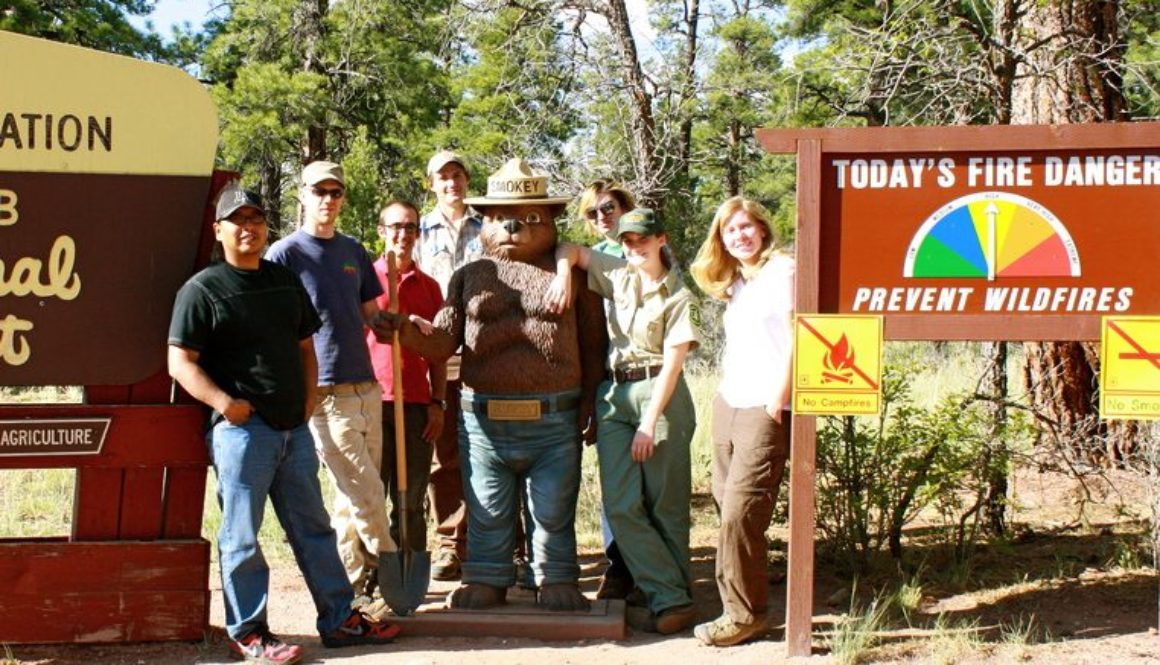
Thank you Virginia for making Keep Virginia Beautiful’s year! What a great State Fair. It was great meeting each one of you that stopped by our booth.


Thank you Virginia for making Keep Virginia Beautiful’s year! What a great State Fair. It was great meeting each one of you that stopped by our booth.

Students are bombarded with club and organization fairs this month as universities are soon back in session. Virginia colleges offer hundreds if not thousands of unique extracurricular groups to suit any niche. When searching for the right club to fit you, consider an environmental group that gives back to the community and our precious state.

Organizations that focus on environmental awareness are a great way to give back to your university and surrounding areas. These “green” clubs are a great opportunity to meet new people and gather around a great cause. There are national organizations such as The Sierra Club, which have chapters in universities across the nation. There are also smaller independent organizations at Virginia universities that are run strictly by students and focus on sustainable goals.
With many offerings, which club to choose?
George Mason University offers an Office of Sustainability that is focused on making George Mason a greener campus. 
Radford University has an Environmental Center that hosts different events throughout the year including Earth Day events and activities focusing on Sustainability Awareness.
Most of Virginia’s colleges offer at least one organization focusing on environmental awareness. It is our challenge to you to get out there and Keep Virginia Beautiful!
Keep Virginia Beautiful friend and partner, HR Green launches their new site today….introducing “AskHRGreen.org”
Consumers vs. Manufacturers
Earth911 is an organization focused on raising awareness on the environment and the green movement. They recently released a series of articles discussing whether government should place the financial burden of being environmentally conscious upon the manufacturer or consumer.
Are government-enforced taxes the next step in increasing consumers to recycle? Beginning July 1st Californians have had a tax placed upon each purchased yard of carpet; an extra nickel will be added to the price of every square yard that is bought. The new law was issued to keep carpet out of landfills and reduce the overall amount of carpet that is being bought. This new tax is bringing up the debate of how the responsibility of going green should be a balance between government, producers and their consumers.
The carpet manufacturing industry has developed their own nonprofit organization to join the recycling movement, CARE (Carpet America Recovery Effort.) CARE has rescued over 2 billion pounds of carpet from landfills in the past 10 years.
States are now enacting laws to ensure that manufacturers are providing recycling opportunities for consumers. Not only do manufacturers have to take in recycled products, but these laws are also forcing manufacturers to pay the costs of recycling their used products.
Texas recently has placed the burden upon the manufacturers of televisions and electronics to have the financial responsibility of recycling their used products. The Texas government is sending the bold message that if a manufacturer created the product; they should be responsible for what happens to the product after use.
As other state governments place legislation upon both consumers and the manufacturers, how do you think Virginia’s government is handling the balance of financial responsibility between consumer and manufacturer?
So we have a tradition in our family that we get to pick what we want to do for one whole day to celebrate our birthdays and so every year for the last 4 years I have picked the James River Clean-up as my “Neher Birthday Fun Day Celebration”. Now this may seem odd to some of you but I value the environment and my family above all other things and so spending a day outdoors with my husband and children with the beautiful James River as the backdrop makes for a good day, plus we are doing something worthwhile that makes a difference in our community.
I have taught my children the value of our natural environment and how important it is that we do everything we can to protect and preserve it. We reduce, reuse, and recycle everyday but this clean-up is more about the very simple idea of “Don’t Litter!” My 5 year old was very displeased with the amount of garbage along the riverbank and could not understand why anyone would simply throw their trash wherever they want when there are so many trash cans near the park. I didn’t know what to say to him other than “some people are lazy and don’t feel as though they should clean-up after themselves”, his response was ” that’s stupid, if they threw away their own trash we wouldn’t have to do this and the river would already be clean!”…from the mouths of babes…the truth uncensored!
When shopping for household products it is important to keep an eye out for items bearing eco-friendly stamps of approval. With so many green logos on the market these days, it can be hard to keep up with which logo means what. Don’t worry though; your friends at Keep Virginia Beautiful are here to help! In order to make your next shopping trip run smoothly, we have picked out a few of the major stamps of approval on eco-friendly household products and given you a quick description as to what each one means.
Natural Pr
oducts Association Certified – When purchasing cleaning products look for this seal of approval from the Natural Products Association. The NPA is a nonprofit made up of members from natural product suppliers. This seal means that the product is proven safe, is at least 95% natural and uses earth friendly packaging.
Green Seal Certified – Found on paper products and paints, this is a seal of approval from Green Seal, one of the first US nonprofits to develop product sustainability standards. An item bearing this logo means that the item is environmentally and socially sound all the way from development to disposal.
Cradle to Cradle Certified – This logo can be found on many home products. It is a stamp of approval from the Cradle to Cradle Products Innovation Institute, which is a nonprofit organization that promotes safe environmental design. Products bearing this label were created using sustainable design and responsible practices.
Forest Stewardship Council – When purchasing paper products or furniture, keep this label in mind. This is a seal of approval from the Forest Stewardship Council which is a nonprofit that helps protect the world’s forests. This seal means that the wood used to produce the item was harvested while conserving biological diversity and ecological integrity.
Energy Star – Look for appliances and electronics that bear this logo. It is a seal of approval from the US Department of Energy and Environmental Protection Agency which states that this is an energy efficient product that will provide significant and consistent utility savings for your home.
A friend of ours recently turned us on to a cool video called The Mountain on Vimeo. This photog has done some really remarkable work and his time-lapse shots of the Milky Way are some of the most amazing we’ve seen. (You can watch it here.)
Here at Keep Virginia Beautiful we talk an awful lot about beautification and greening things up but we began to wonder about what other forms pollution might take.
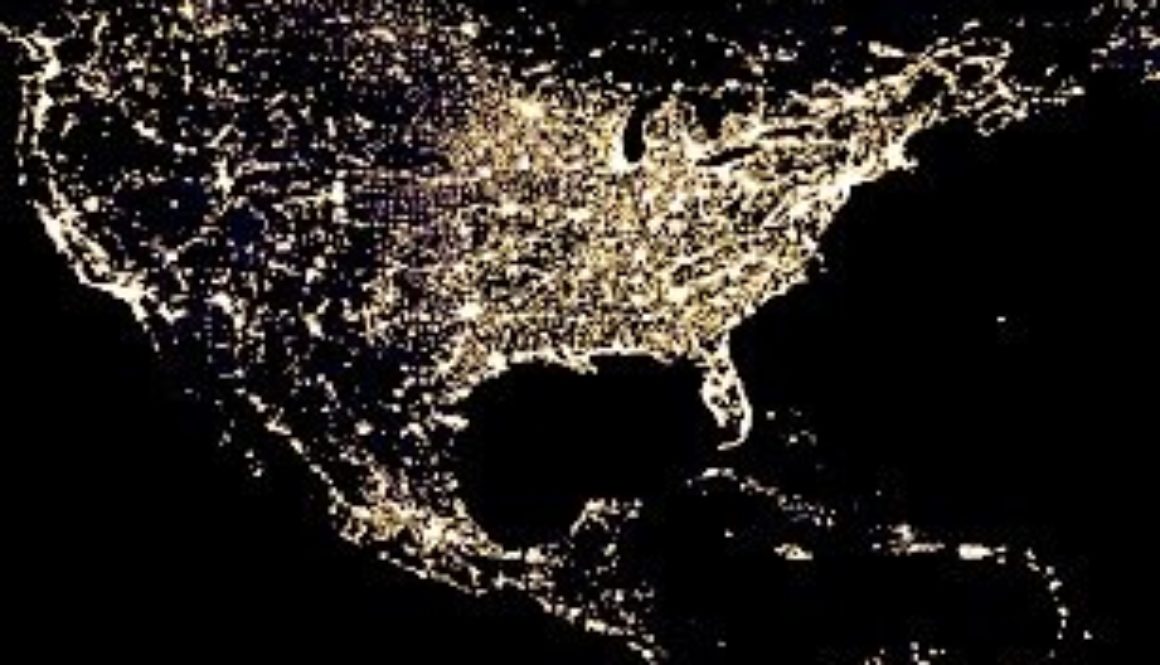
The whole Milky Way sequence brings up the issue of light pollution. Some of our friends in Western Virginia or more rural areas may get in some serious stargazing but here in the River City we have a relatively starless sky. Nearly 40% of Americans no longer view a night sky that the human eye perceives as dark. In addition to the loss of twinkling stars light pollution takes its toll on our natural friends. Studies show that artificial light changes the spawning cycle of certain types of fish that rely on a lunar clock. Scientists observing tree frogs noticed that they stopped their mating calls whenever a nearby football team held a night game. Scientists in Germany studied the impact of new gas stations and found that their lights attracted huge numbers of moths and other bugs the first two years but then the numbers dropped radically. Seems the lights from the stations attracted unusual numbers of bugs which lured unusual numbers of bats that ate the bugs and destroyed the bug reproductive cycle.
What’s the easiest fix? Use only the light you need, when you need it. Maybe your yard looks great at night but do you really need it to glow like Vegas at 3 a.m.? We don’t think your trashcans are afraid of the dark. And look at the type of fixture! Are you lighting what you need to light or are you sending a Bat-Signal to the entire city? Make sure you have energy efficient lighting in a cut-off fixture. This type of fixture directs light where you need it and doesn’t allow it to bleed out where you don’t.
Remember the long car trip as a kid? “Hey kids: lets play the quiet game.” Dad would give a dollar to whoever could not talk the longest. An examination of noise pollution would ask, “Where is Dad when we need him”?
The word “noise” came from the Latin “nausea” which meant seasickness or discomfort. Does your Honda sound like an atomic leaf-blower? Is the kicker box registering with the U.S. Geological Survey? Noise pollution causes both physiological and psychological issues. It can affect sleep patterns, cause aggression, severe depression and cause panic attacks. Our animal friends feel it too. Pods of whales beached themselves after being exposed to military sonar. European Robins in urban environments sang more at night. Why? It was quieter and they could get their message out. Zebra Finches were less faithful to their partners when exposed to traffic noise. “The car horn made me do it!”
What to do? Start your car. Turn on the stereo to the level that you would use on a trip. Look at yourself in the rearview and say “tinnitus”. Lips moving but you can’t hear your voice? Too loud. In some instances a power tool is a necessary evil. Not using it? Cut it off or better yet go electric. You could challenge yourself to the “quiet game”!
Remember, the beauty of Virginia is not just affected by the soda bottle on the side of the road. It is our contributions to the vistas and scenery that we all see and hear.

Have you ever wondered where the produce at your local grocery store comes from? Many grocery stores import food from all over the United States. Most produce in the US is picked 4-7 days before being placed on supermarket shelves and is shipped for an average of 1500 miles before being sold!
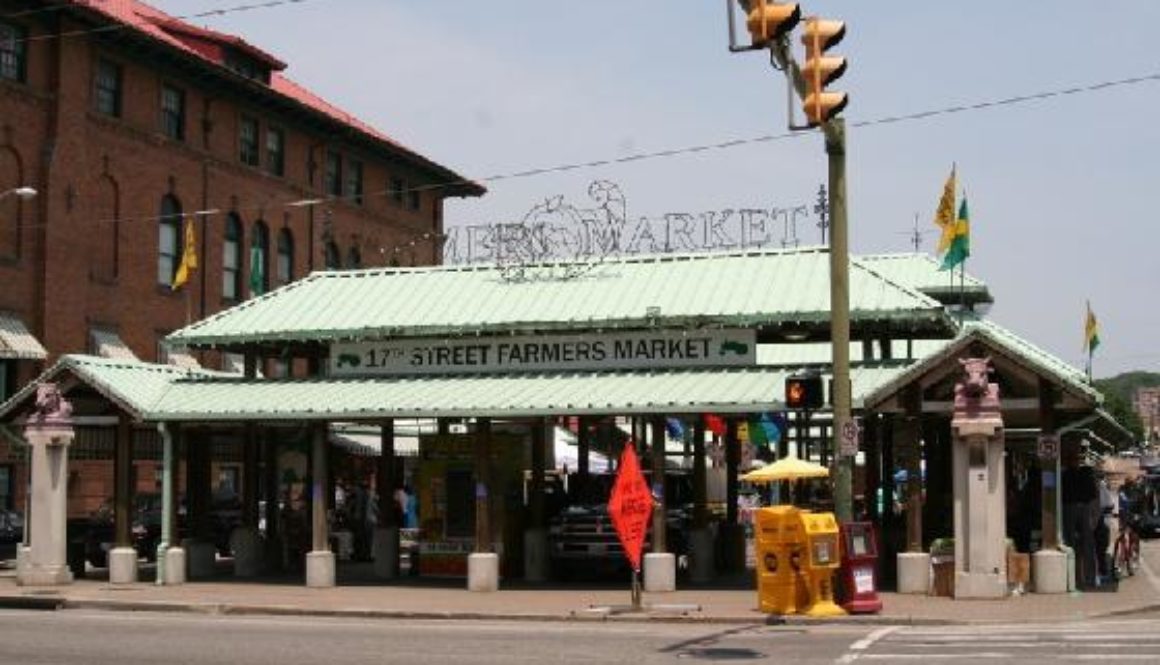
To reduce “food miles” and support your local economy, consider shopping at your local farmer’s market. These markets are held during the summer and offer shoppers a wide range of fresh and locally produced food and goods. Farmer’s markets are important because they enable local producers to sell their goods directly to consumers. This means fresher food, affordable prices, and more income for producers.
Food sold at a farmer’s market is most likely picked a day or so before sale, making it more crisp, flavorful and nutritious (since harvested food will quickly lose its nutrients). Local goods travel a smaller distance, reducing fuel costs, thus reducing prices for consumers. This also reduces the carbon footprint of the food you consume. Finally, buying from local producers benefits the local economy. Studies have shown that small farms re-invest most of their money into the local community by purchasing feed, seed and other materials from local businesses. As you can see, there are a lot of benefits to shopping local.
There are some great options for those of us in the River City. Send us a post with the best options in your neck of the state and don’t forget your reusable bags!
First Fridays at Quirk Gallery
In honor of Earth Month, Keep Virginia Beautiful (KVB) awarded “30 Grants In 30 Days” during April, 2011. Ten grants in 3 different categories; Cigarette Litter Prevention, Plastic Bag Recycling, and Community Greening and Beautification were awarded to multitude of different entities all around the Commonwealth. Schools, State Parks, Cities and Towns, Universities, Environmental groups, Associations, KVB Affiliates, and historic neighborhoods comprised the 30 award winners from the Eastern Shore to the far Southwest of Virginia. These grants were made possible by KVB’s partners, Walmart and Waste Management.
KVB is proud to announce our “30 in 30” Grant Winners:
The mission at Keep Virginia Beautiful is to engage and unite Virginians to improve our natural and scenic environment. Our goals include becoming the leading statewide voice, providing a framework for improved communication and collaboration, cultivating and supporting sustainable programs, and engaging citizens by linking them to volunteer opportunities and information through these 5 impact areas: Litter Prevention, Waste Reduction, Recycling, Beautification, and Environmental Education. For more information on KVB and these grant winners, go to https://keepvirginiabeautiful.org/outreach/grants.
As part of our Earth Month 30 Grants in 30 Days program we were fortunate enough to award some of our money to some Virginia schools for some really cool green initiatives. It got us to thinking: How Green is your school?
The easiest list to compare is from the Princeton Review. Virginia has 10 colleges that are part of their Green rankings! The University of Virginia, Radford, VCU and Virginia Tech all made the list but so did William and Mary, George Mason, and Virginia Wesleyan!
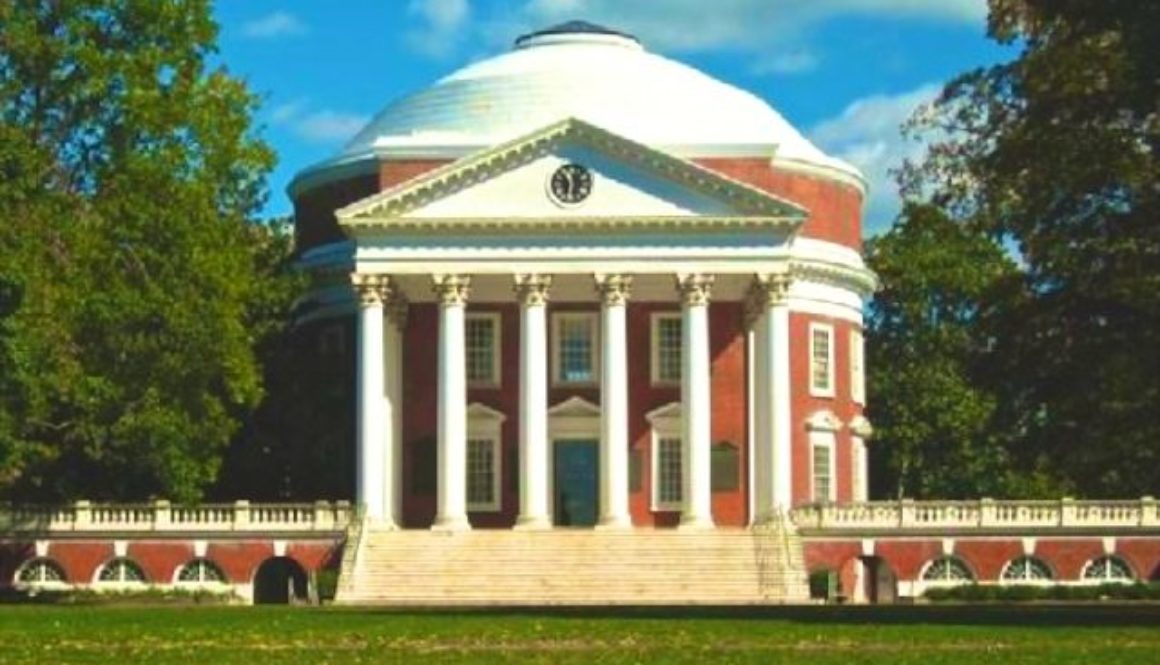
William and Mary has reduced greenhouse gas emissions 16 % since 2002. Their dining service spends 42 % of their food budget on local products. The University of Virginia recycles electronics and diverts 57 % of its waste from landfills. They collect building condensation water for irrigation. Way to go Cavs!
George Mason has a formal policy that protects campus woodlands, wetlands and waterways. Virginia Commonwealth has steam trap systems, trayless dining facilities, and a car-sharing program.
It’s easy to look at these things and think about tuition and endowments and say, “Well, they have a lot of money for these big initiatives” but a little school can still make a huge difference.
Does your school have a garden? What’s the coach using to keep the field green? It would be simple to start a recycling program in the cafeteria or encourage your teacher to institute a “No Paper Day”.
Although many are ending their school year we have an entire summer to plan. Keep your thinking caps on and look forward to Fall! We have rain barrels to install, light bulbs to LEED and September gardens to start!
With apologies to The Beach Boys, “Be Green To Your School”!