
12 Months to a New Sustainable You: January
 New Year’s is a great time to look at the upcoming year as a clean slate for self-improvement. If living more sustainably is a goal for you, remember that small changes in your lifestyle can make a big difference! And it might be easier for you to take baby steps forward, by focusing on just one change per month.
Here’s an idea to get you started for the month of January: food! While many people use the post-holiday month to avoid food in an effort to lose weight, it’s actually a good time to start thinking more about food, specifically food waste and food purchasing, if you want to live more sustainably.
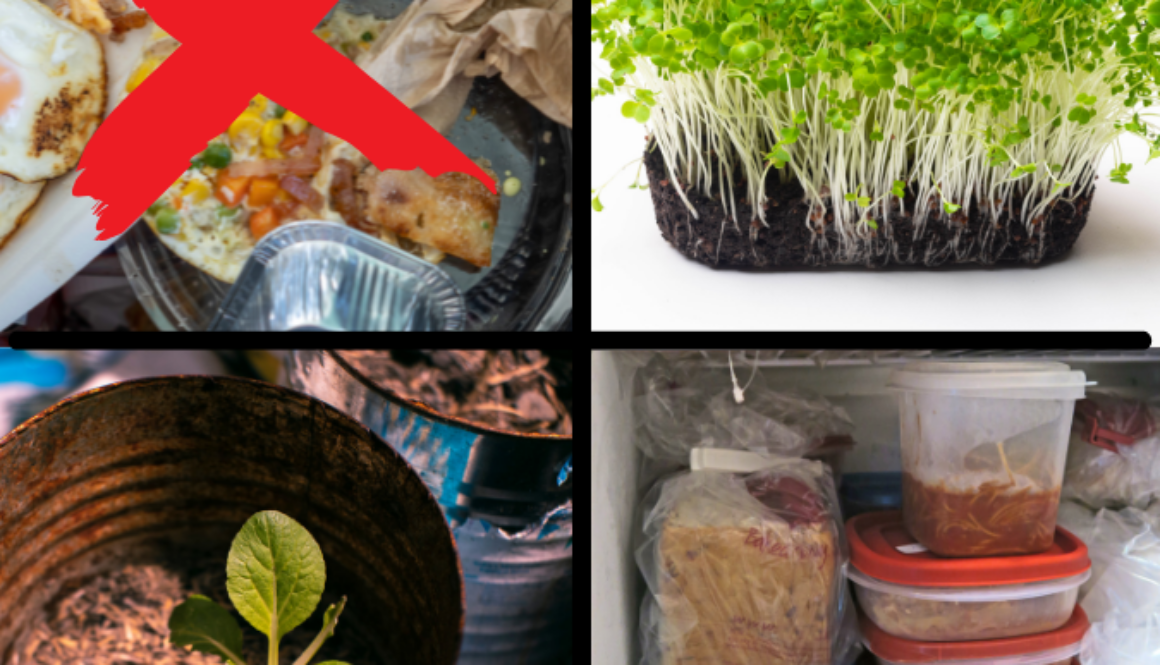
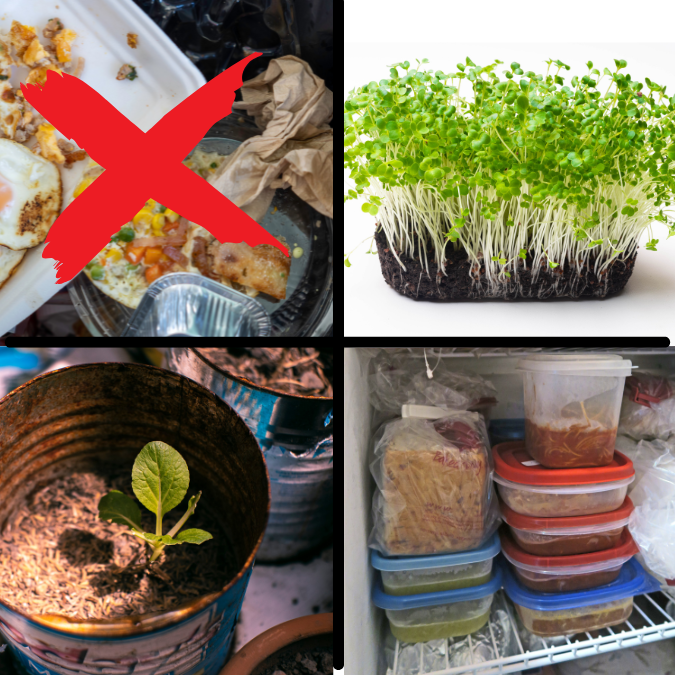
Virginia is not alone with its food waste problem, with nearly 2.1 million tons of food waste generated in 2022, according to the nonprofit ReFED. Over 63% of this waste comes from residential households. Efforts to reduce food waste include being conscientious about purchasing and using the right quantity, and saving leftovers for future meals. Here are more ideas:
- The FDA has several useful tips to reduce food waste at home
- It’s a win-win to divert food scraps to animal feed (see Pigs Love Pumpkins)
- Read this for insights into “Best if Used By” and other manufacturer’s stamps

While buying food from local sources is a sound sustainable practice, consider growing your own fresh food! January is a great time to look through seed catalogues or online information to consider all the possibilities of colorful and tasty vegetables, herbs, berries, and fruits! You can explore Virginia’s Southern Exposure for information and inspiration on organic gardening, sustainable agriculture, seed-saving, and more. Their farm is not open to the public on a regular basis, but you can pick up a paper catalogue or purchase their seeds at many locations across the Commonwealth.
Even if you don’t have room for a large garden bed, you can grow lettuce, radish, and tomatoes and more in large planters or repurposed containers. Check with local nurseries for 5-gallon pots they might otherwise throw away, or check with restaurants or food kitchens to pick up their opened commercial-size cans; or search for used feed bags from farms or hops bags from breweries; just fill any of these with soil, add plants, and water.
If you’re extremely limited in space, you can grow microgreens indoors for a fast way to add vitamins and crunch to your salads. Microgreens are young “baby” vegetable greens that grow about 1–3 inches tall. They have an aromatic flavor and concentrated nutrient content and come in a variety of colors and textures. The Master Gardeners of Northern Virginia have a great article to help you get started.
So, spend January making a few small changes to live more sustainably, and watch your efforts add up the rest of the year. We’d love to see what you’re doing to avoid food waste — tag us! #keepvirginiabeautiful

