Congratulations to The Fort Story Community Garden for being chosen for a $1,000 Green Grant in the Community Beautification category!
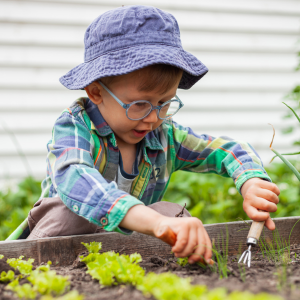
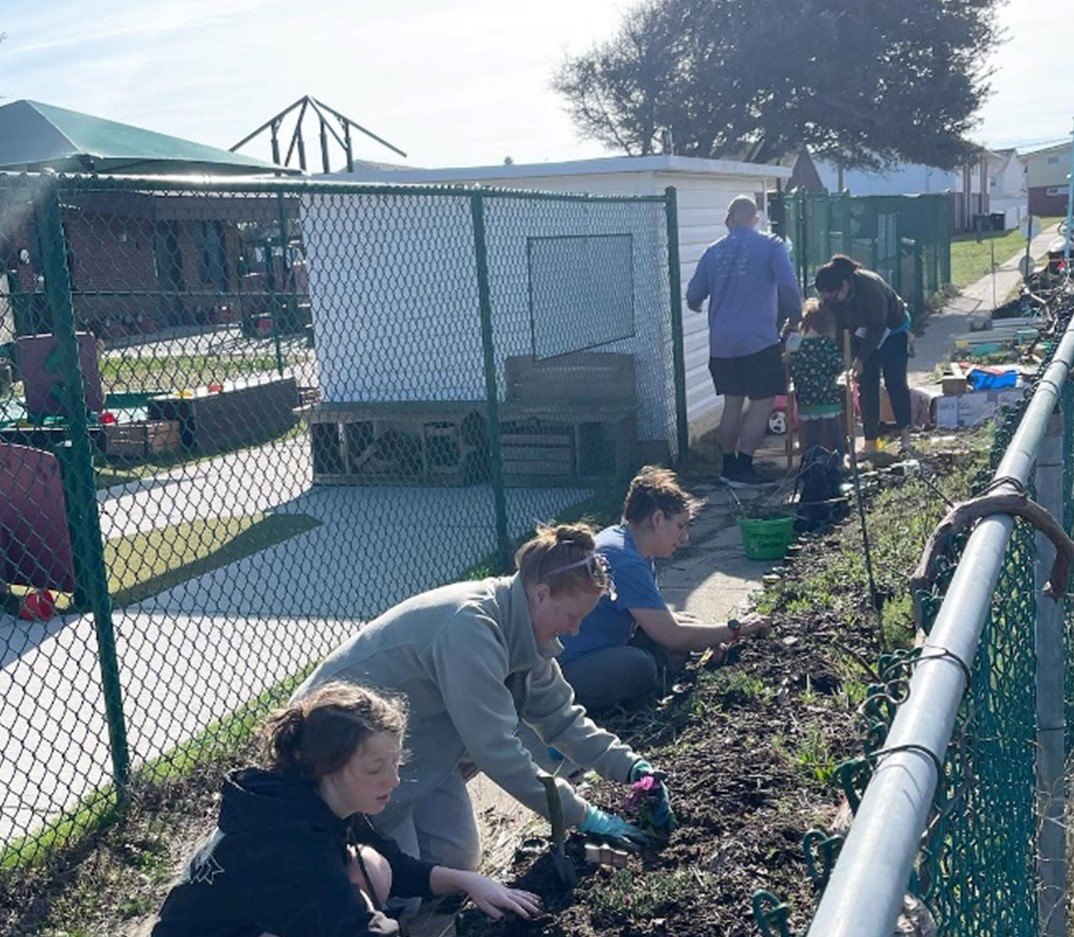
The community garden located on Joint Expeditionary Base Little Creek-Fort Story in Virginia Beach had previously experienced a drop in interest, but was reinvigorated in 2020. Recognizing the important role pollinators play in the eco-system, Project Manager and Master Gardener Andrea Muffly wanted to build a pollinator habitat as part of the community garden. This project will expand the natural habitat available to pollinators, thus increasing the number of pollinators nearby, which will increase the pollination of the crops, and therefore the yield, of produce for the community.
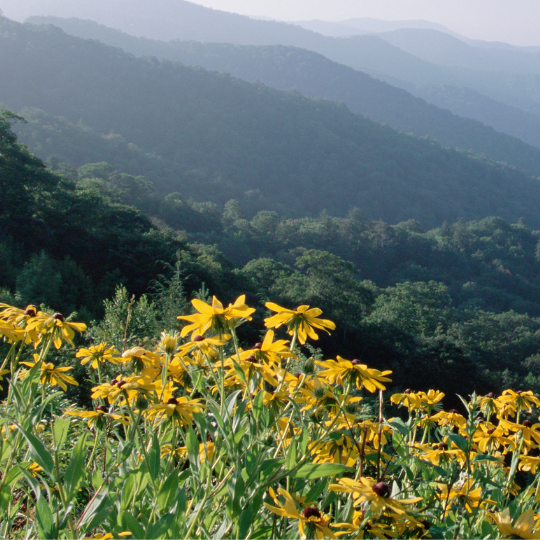
Funds awarded by the Green Grant will be used to purchase and install a bee puddling station, a frog habitat, and a large section of native plants to provide both habitat and nectar for moths and butterflies and native bees. The native plants of Yarrow, Obedient Plant, Cutleaf Cone Flower, and Beautyberry will further increase the presence of pollinators.
Residents of Fort Story are all military families, and the nearest grocery store is a 15 minute drive from base, which can make it hard to access fresh produce. The Community Garden at Fort Story aims to fill a gap in the community’s need for fresh food. It also provides mental health support by getting families outside, connecting with neighbors, and engaging in their community. The garden provides a much-needed space for families to play outside and work with their hands. The garden is free to join, and gardeners are given access to a tool shed and regularly-scheduled workdays with access to a Master Gardener for advice on what to grow and how to best manage their garden.
A community garden is a beautiful way for a Green Grant award to increase the productivity and impact of the natural environment for those who live on base!
Congratulations to the Friends of Fonticello Park for their $1,000 award in the Community Beautification category!
Fonticello Park, in the City of Richmond, has seen decades of deferred maintenance and neglect, ultimately leading to violence and vandalism in the park. After the tragic murder of Markiya Dickson in the park on Memorial Day 2019 and another non-fatal shooting in the park in September 2022, Friends of Fonticello Park was formed to bridge community voices to facilitate the creation of a vibrant and safe Fonticello Park. They are a group of passionate neighbors who are committed to honoring the history of Fonticello Park and inspiring future generations by creating a green space that is culturally responsive to the needs of the park community and fosters a sense of belonging.
The only request of Markiya’s parents after her tragic death in the park was that her life be remembered through efforts to make the park a safe place for children to play. Research show that an urban area that has positive activity, is cleared of litter, and maintained with attractive landscape directly relates to a decrease in crime and violence. The Friends of Fonticello Park originally installed a modest garden to honor her memory with flowering native plants in pink, purple and white, Markiya’s favorite colors. Unfortunately, due to a lack of quality borders and signage, the modest garden was destroyed.
With funds provided by the Green Grants program, the Friends of Fonticello Park will purchase mulch, compost, over 60 native plants, and other supplies to install a larger and more protected native plant garden. It will include a small plaque explaining the importance of the garden, and have a stone edge barrier to clearly mark the area off from mowing and playing. This will transform another portion of the area from turf grass to native plants, which benefits the local ecosystem and also honors Markiya with a variety of pollinator-friendly plants in her favorite colors
Thank you, Friends of Fonticello Park, for understanding the importance of reintroducing native plants to the park in order to support the local ecosystem, preserve biodiversity, reduce the heat island effect, combat climate change, conserve water, and provide beauty and healthy spaces for the community!
There’s nothing more beautiful to bring to the table than fresh produce you’ve grown yourself! If you’re an avid home gardener, you probably started receiving seed catalogues in January. But it’s not too late to plan a Spring or Summer flower or vegetable garden for this year.
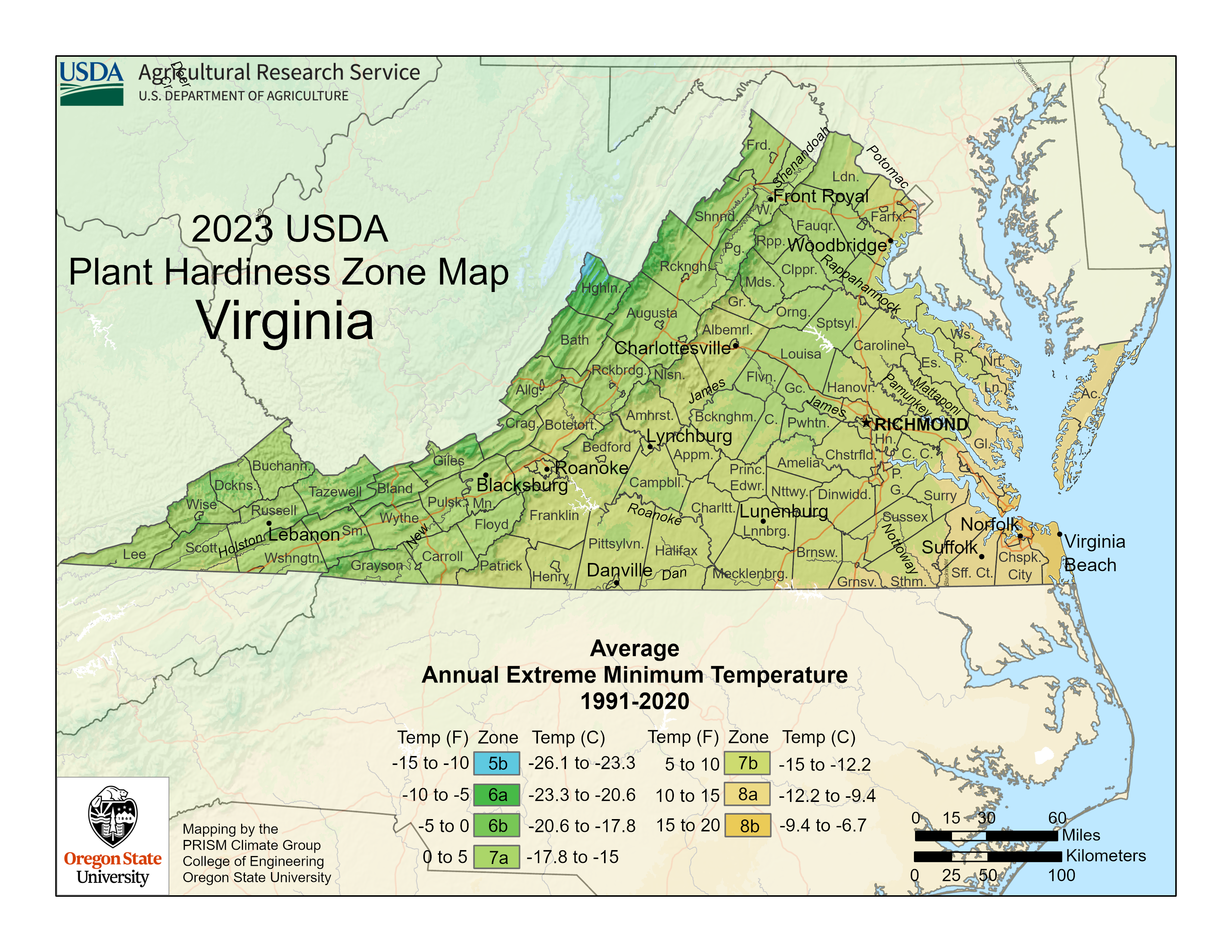
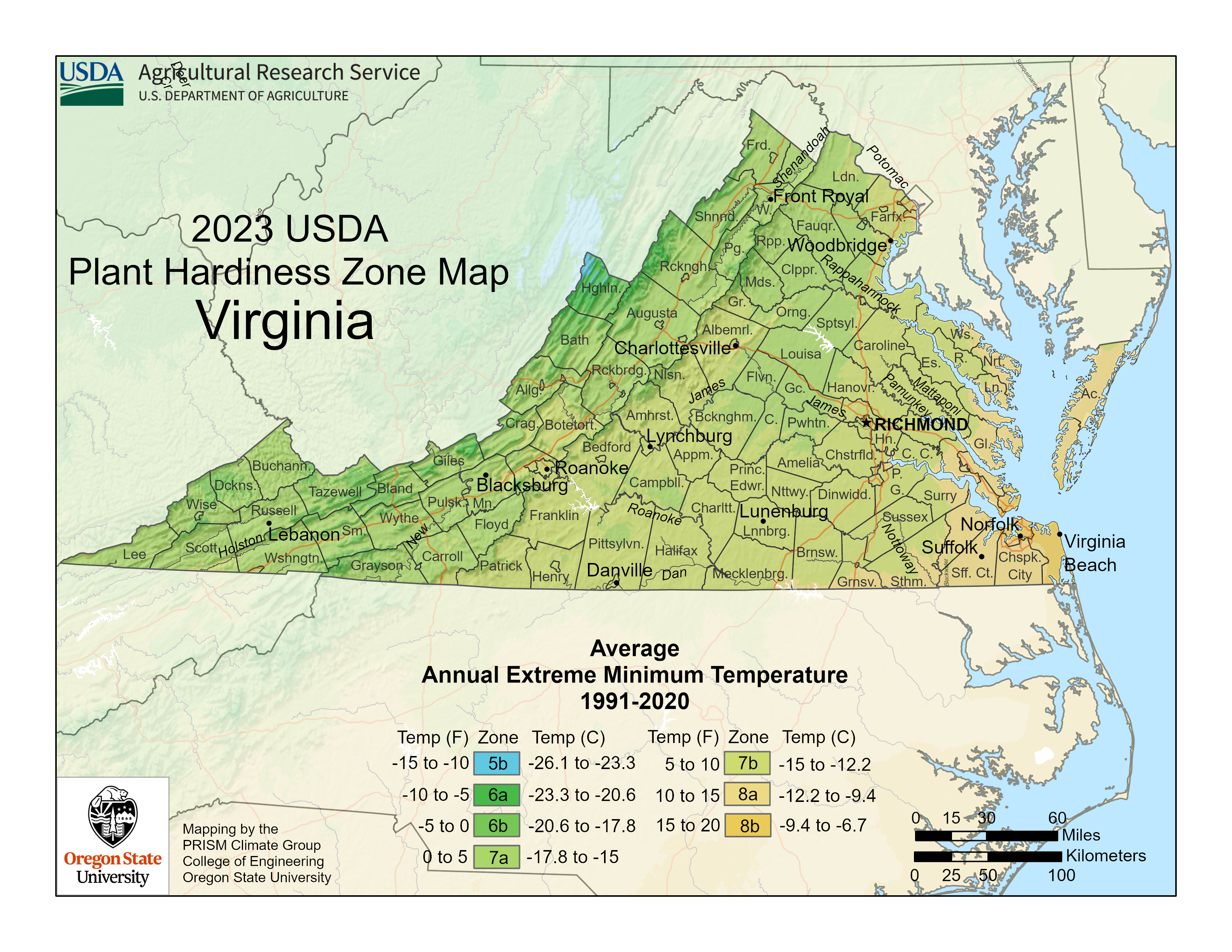
So how do you know what to sow and when to sow it? Most of Virginia lies in the USDA Plant Hardiness Zone 6 or 7, with cooler sections in the western and northwestern areas of the Commonwealth, and warmer zones in the eastern coastal areas. The plant hardiness zones indicate the typical date of the last Spring frost – so you don’t put any seeds in the soil or transplant plants too early. See the new 2023 Virginia Hardiness Zone map to identify your area’s USDA hardiness zone.
As for what to plant – that’s the fun part! You can choose your favorite fruits and vegetables, or try some new varieties. The Virginia Cooperative Extension office in your county will have free information and resources to help you choose, with a lot of information published online. Here’s a reference guide for recommended planting dates and amounts. Here’s a no-paper-was-wasted catalogue from Southern Exposure Seed Exchange to start browsing!
For flowers, it’s recommended to choose native plants that will attract and serve pollinators like bees and butterflies, which you’ll need to pollinate your flowers and vegetables in order to be successful. You can download free Native Plant Guides for your area of the state. You can also download the Virginia Native Plant Society’s list of nurseries that sell native plants.
Whether you dig up a large area in your yard, have a small raised bed in a corner of a small yard, or plant up containers and pots on a sunny patio, planting a garden is good for you! You’ll soak up some Vitamin D, which increases your calcium levels, benefiting your bones and immune system; it’s good movement that’s less boring than an exercise class; being outdoors provides stress relief, reducing depression and anxiety, as well as increasing happiness; and it helps you eat a healthier diet. Involve kids of your own, neighborhood kids, or Scout groups, and all the benefits will apply to them too.
So get sowing, and make your backyard, potted plants, or community garden a place of beauty this season!
This year’s Winter Symposium at Lewis Ginter Botanical Garden offered a two-day professional development opportunity that was attended by several hundred in-person attendees as well as several hundred more virtual participants. This year’s focus highlighted sustainable practices for the green industry that can help us adapt to our changing world. Experts gave presentations on a variety of topics that affect how we create a sustainable future by reconnecting habitat corridors with native plants, exploring green plants for green buildings, and the possibilities of indoor agriculture, among other topics. It came as no surprise that in order to keep Virginia beautiful, we need to keep Virginia green.
Matt Bright, Executive Director of the nonprofit Earth Sangha, worked with volunteers in Fairfax and school children in McLean to pull invasive species out of parks and public spaces so that the native understories will regenerate and be available for songbirds and pollinators – even without additional installation of native plants. This is something that can be done in communities wherever you live in Virginia. He believes that continuing to remove invasive species such as kudzu, English ivy, and Callery pear from our landscape, and encouraging green roofs and balcony gardens can reconnect parks, stream buffers, and other existing corridors to improve the local habitat.
We learned about Biophilia – the instinctive bond between human beings, other living organisms, and living systems. Chris Raimondi, Board Member of Green Plants for Green Buildings, believes that contact with nature is essential for human health. He presented research showing that workers in office environments with natural elements, such as greenery and sunlight, report a 15% higher level of well-being, are 6% more productive, and are 15% more creative. This funny YouTube video makes a point about the value of adding plants to your office indoor landscape.
Indoor farming is another field that points to a green future. Ekene Tharpe, head grower at Babylon Micro-Farms, enlightened us about CEA, Controlled Environment Agriculture. Unlike a head of lettuce that may have traveled over 1,000 miles to get to the grocery store, Babylon Micro-Farms has individual units that grow lettuce using hydroponics right at the location where the produce will be consumed. Fresh microgreens are grown on cruise ships, at restaurants, and in clusters in inner-city warehouses, and are harvested at their peak for maximum flavor and nutrition.
There are so many ways to work towards a beautiful green future in Virginia!
The Town of Independence is awarded a $750 Green Grant in the Community Beautification Category as part of our 13th Annual Green Grants Program.
Every year, government, non-profit, civic, and service organizations in Virginia are invited to apply for grants ranging from $500 to $1,000 that will help address an environmental concern in their community. Grants must focus on one of the following priorities: Litter Prevention, Recycling, Cigarette Litter Prevention, or Community Beautification.
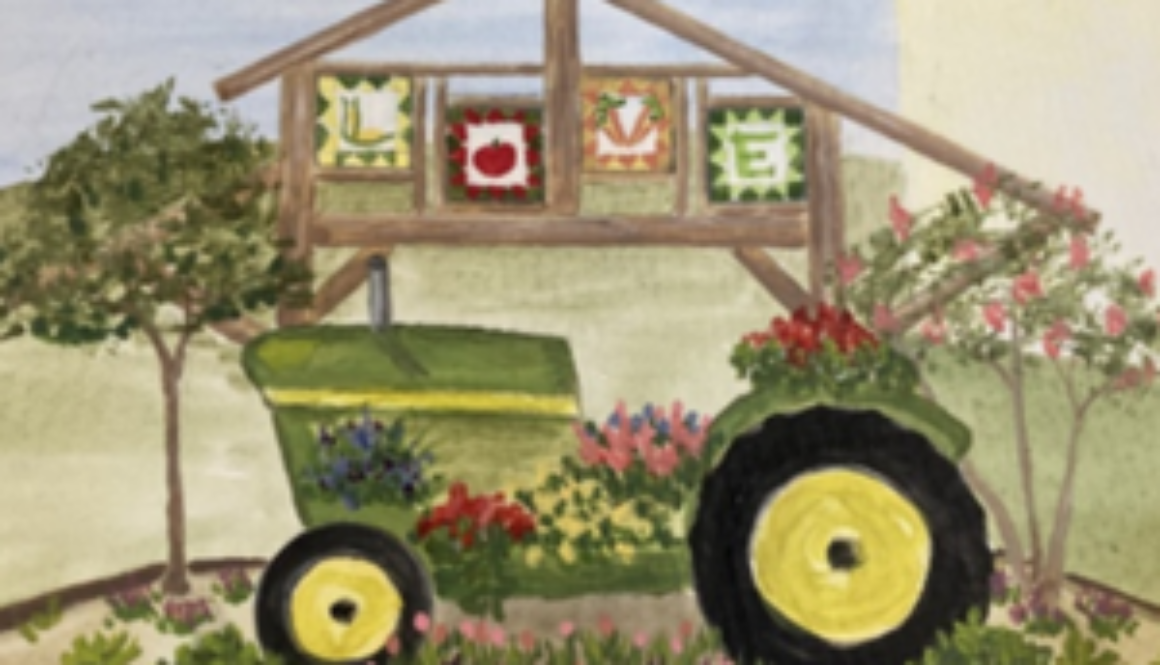
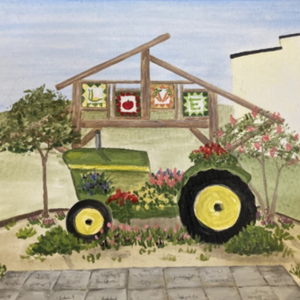
Town Council was approached by community volunteers with an idea to enhance the vacant lot opposite the Town Park/Farmers Market pavilion to transform it into the Independence Community Tractor Garden. A vintage John Deer tractor was donated and brought to the site in an effort to tie into the farming community and add beauty through the installation of mostly native and pollinating plants and flowers. With benches on either side the tractor, visitors can enter the garden and enjoy its simple cottage appeal. It is designed to be attractive in all four seasons.
With funds provided by the Green Grant, they will transform a once vacant and weedy corner lot in the center of town into a beautiful community garden for locals, their visitors, and tourists to enjoy. They will install a paver walkway, plantings along the walkway, and low-voltage landscape light for evening enjoyment.
Once completed, the garden will include a timber frame built “Virginia is for Lovers” L-O-V-E sign behind the tractor. The final result will instill a sense of pride for the community, and a continued source of beauty as the garden matures into a restful, green, public space.
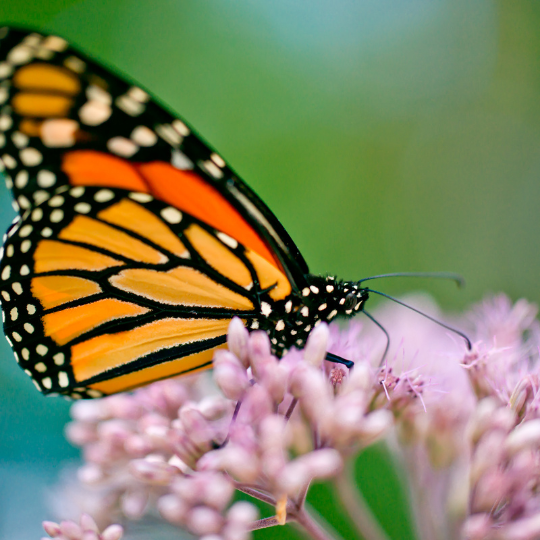
Monarch butterfly on Joe Pye Weed, VNPS Wildflower of the Year
Spring is the perfect time of year to add plants to your landscape. When selecting plants, think native!
What is the value of having plants in your yard that are native to Virginia? And how do I know if this plant native to my region? According to the Virginia Native Plant Society, the authority on native plants, some suppliers will label a plant “native” if it naturally occurs in the United States. An example of this is Blue Spruce which grows natively in Colorado but not in Virginia. While plants such as this will grow here, they do not provide the same ecosystem services as a plant from Virginia. In other words, birds and mammals in Colorado have co-evolved with Blue Spruce so they are able to utilize the plant. Organisms in Virginia, however, do not recognize the plant, so it provides little to no wildlife support. Additionally, plants that are native to the area where planted are easier to maintain because they require less watering, fertilizing, pruning, and pest-control since they are well-suited for the area.
Fortunately, we have some excellent local nurseries who can help you choose native plants that are right for your garden.
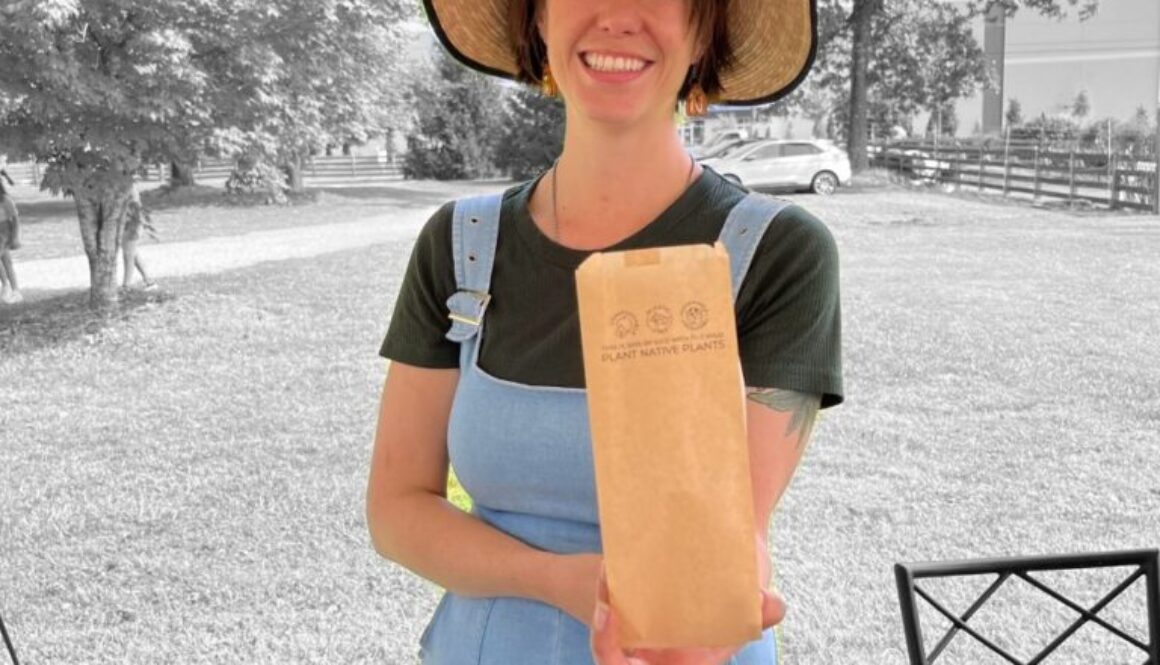
Parallel Nursery is a native plant nursery in Richmond. They are a majority woman-owned and operated nursery specializing in seed-grown native perennials from the Mid-Atlantic and Southeastern USA eco-regions. They are committed to providing you plant that are: always bee-safe & pollinator friendly, seed-to-soil pledge of 100% pesticide free life cycle; they use ethical seed collectors and sources only; and finished plants are provided in a sustainable, peat-free, renewable, pine-bark medium.
Their broad selection of sustainably grown perennials allows you to create a diverse and healthy ecosystem in your garden, regardless of your landscape conditions or gardening experience. And if you need a little help with design, you can inquire about landscape design consultations at [email protected]! Visit their booth at the Lewis Ginter Spring Plantfest on Friday, May 5 & Saturday, May 6.
Seven Bends Nursery in Winchester is committed to providing lovingly curated, high quality native plants that support ecologically functional landscapes. Their plants are chosen for both their beauty and for their role is supporting the wildlife that keeps our minds peaceful and our landscapes healthy and beautiful.
Their inventory includes an assortment of native perennial flowers, trees, and shrubs important for wildlife within the Shenandoah Valley, Piedmont, and Appalachia. They grow from seed, cuttings, and plugs, and supplement with larger stock from like-minded nurseries. They practice sustainable resource use, are neonicotinoid-free, and focus on creating healthy plants that have the best chance at fighting off disease and pests. They grow pure species only, and you can purchase plants online here. You can also find them at the Native Plant Sale on May 6th at Arts Herndon Lawn in Herndon.
The New River Chapter of the Virginia Native Plant Society covers the counties of Bland, Carroll, Floyd, Giles, Montgomery, Pulaski and Wythe and the towns of Blacksburg, Christiansburg, and City of Radford. Native plants are those plants which have evolved over time in specific areas and with specific pollinators or wildlife that feed on them. Many agricultural crops need native insects to pollinate them. Other native plants including shrubs, vines and trees should be planted too so birds and other wildlife will eat the berries and seeds. You can visit a demonstration garden by clicking on the areas indicated on this map. They will also host a Native Plant Sale on June 10th at SEEDS Blacksburg Nature Center.
There are many chapters of the Virginia Native Plant Society throughout the Commonwealth. Visit this page to find a local chapter near you. Most have their annual native plant sales in the spring, so check out their websites and start digging!
One of thirty grants awarded throughout Virginia in June as part of our 12th Annual “Green Grants” Program is awarded to Sustainability Matters for their “Mowing for Monarchs” Initiative.
Sustainability Matters is a grassroots nonprofit organization rooted in the rural Shenandoah Valley that cultivates community through conservation education. It aims to empower community members to change the environment and their own lives for the better. Since its founding in 2018, it has hosted over 200 education and outreach programs!
Like most landfills, the Shenandoah County landfill has many open areas that are mowed twice annually, usually during the summer. Originally planted with turfgrass, the fields have, over the years, become a mixture of the original grass, vital native wildflowers that have self-sown, and invasive plants. Among the native plants is a particularly strong seedbank of common milkweed (Asclepias syriaca) that is the main host for monarch butterflies.
Unfortunately, under current practices, the milkweed is mowed down just when the monarchs most need it…and the mowing itself likely kills thousands of monarchs and monarch larvae.
To help reframe the mowing schedule at the Shenandoah County landfill to accommodate monarch butterflies’ lifecycles, Sustainability Matters has been awarded a $1,000 Green Grant. Funding will be utilized to perform a comprehensive, season-long survey of the Shenandoah County landfill fields, documenting the variety and relative concentrations of native and invasive plants, as well as of monarchs and other insects.
The survey will be conducted by over a dozen Sustainability Matters volunteers, high school ecology students, and professional entomologists. The results will help inform an ideal “Mowing for Monarchs” schedule for the landfill.
The results from the study will also help produce a template for other sites with a similar situation, thus scaling the impact of positive benefits. This is a win for native plants, pollinators of all kinds, and the beautiful monarch butterflies.
To help install a native plant garden and trail at the 27-acre public garden known as Old City Cemetery in Lynchburg, Blue Ridge Conservation has been awarded $1,000 as part of our 12th Annual Green Grants Program.
Blue Ridge Conservation’s mission is to educate the Lynchburg area public about the importance of being good stewards of the natural world. Recent initiatives include partnerships with schools, government agencies, and community organizations to create gardens that teach the importance of planting native plants.
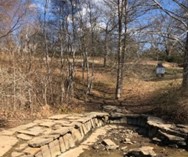
Blue Ridge Conservation plans a new native plant garden and trail to be located in the Old City Cemetery in Lynchburg, the oldest municipal cemetery in Virginia. Removing turf, which has no benefit to pollinators, is an important first step. Grass will be replaced with native plants, shrubbery, perennials, and trees that will not only benefit water quality but also create wildlife habitat for birds and other small mammals and insects.
Funds awarded by Keep Virginia Beautiful will help install permanent signage that will provide information about the benefits of native plants for the local ecosystem and watershed. Signage for Native Garden Trail includes a large sized sign with introduction to why planting Natives is important, and three medium-sized signs along the trail to educate trail visitors about adding a fresh water source to their gardens, providing protected areas for pollinators to nest, the importance of NOT spraying any chemicals. There will also be twenty small-sized signs will identify the Natives planted along the way.
Old City Cemetery is one of the most visited places in Lynchburg, and it is anticipated that more events along the trail will be planned.
Thank you for the beauty and education the native plant garden and trail will provide for residents and visitors!
Friends of the Lower Appomattox Reiver are awarded $1,000 Green Grant to combat invasive species along the Appomattox River in Petersburg, as one of thirty awards being announced in June for our 12th Annual Green Grants Program.
The mission of FOLAR (Friends of the Lower Appomattox River) is to conserve and protect the Appomattox River for all to enjoy. They will focus on a bigger picture that involves developing awareness, cooperation, community support and public policy, and the overall economic strength of the region.
Building on FOLAR’s success in extending the Appomattox River Trail in Petersburg, FOLAR is launching a strategic, sustainable invasive species management program that will help to save trees and native plant communities, restore habitat that improves water quality, and engage community members in environmental education and stewardship through volunteerism.
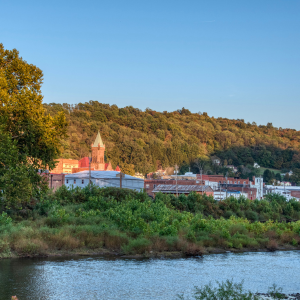
The riverfront has had a strong industrial history and ownership, and much of the river/shoreline has been altered, making the area susceptible to invasive species and reduction of native plant communities, increased erosion, and neglected land management adversely affecting the composition and quality of the tree canopy and quality of the river. With such an enormous service area and a small staff, FOLAR’s Invasive Species Management Program will have an initial focus on river the City of Petersburg.
The Green Grant project includes developing a standing volunteer program that supports invasive plant removal, education, and strengthening native plant habitats. Grant funds will be used to purchase equipment and supplies needed for volunteers to remove invasive species that are choking native plants and trees in areas such as University Blvd Trailhead, Patton Park, and Rotary Park at Pocahontas Island. All of these focus areas include bicycle and pedestrian trails and public river accesses for wading, fishing, and paddling.
Congratulations FOLAR! We’ll be looking to see some pictures of the improvements you’re making for the Appomattox River Trail and the people who enjoy using it!
Friends of Forest Hill Park is awarded e a $500 Green Grant from Keep Virginia Beautiful to create a Demonstration Garden, as one of the grants awarded throughout Virginia in June as part of Keep Virginia Beautiful’s 12th Annual “Green Grants” Program.
Friends of Forest Hill Park is a nonprofit organization with a mission to encourage and safeguard responsible use and care of the park. They work in collaboration with the Richmond Department of Parks, Recreation and Community Facilities, and aim to promote a broader understanding and knowledge of the park’s history as one of the oldest public gathering places in Richmond.
The garden will consist of native herbaceous plants and woody native shrubs. The designated, cleared site is in the southeast corner of the park and next to a large, (granite) stone pyramid. The pyramid has stood in the park for many decades, yet it is a relatively unknown amenity. The area is accessible by a short, level, unpaved pathway connecting to an asphalt pathway used by walkers and bikers. Thus, the area is easily accessible to visitors on foot, bicycle or via city bus line. A native plant garden near the pyramid would make this area a gathering place, and it would incorporate these aspects of placemaking: streets and walkways; architecture; sustainability and resilience; public health.
Native plants will create local habitat and food (pollen, nectar, berries) for native insects, bird species, and other wildlife. Most of the plants selected are deer-resistant and provide multi-season interest. The project will create an aesthetically pleasing collection of native, flowering plants/shrubs which can be enjoyed by people who visit the park for recreation and mental wellbeing. Plants will be labeled so that local residents can become familiar with and grow more native plants in their own gardens.
Congratulations to the Friends of Forest Hill Park — thank you for the beautiful work you’re doing!
 Congratulations to The Fort Story Community Garden for being chosen for a $1,000 Green Grant in the Community Beautification category!
 Funds awarded by the Green Grant will be used to purchase and install a bee puddling station, a frog habitat, and a large section of native plants to provide both habitat and nectar for moths and butterflies and native bees. The native plants of Yarrow, Obedient Plant, Cutleaf Cone Flower, and Beautyberry will further increase the presence of pollinators.