I recently had an interesting exchange with my mother about my interest in Keep Virginia Beautiful, why we recycle, and the Green Movement. We talked about our family and the way things used to be:
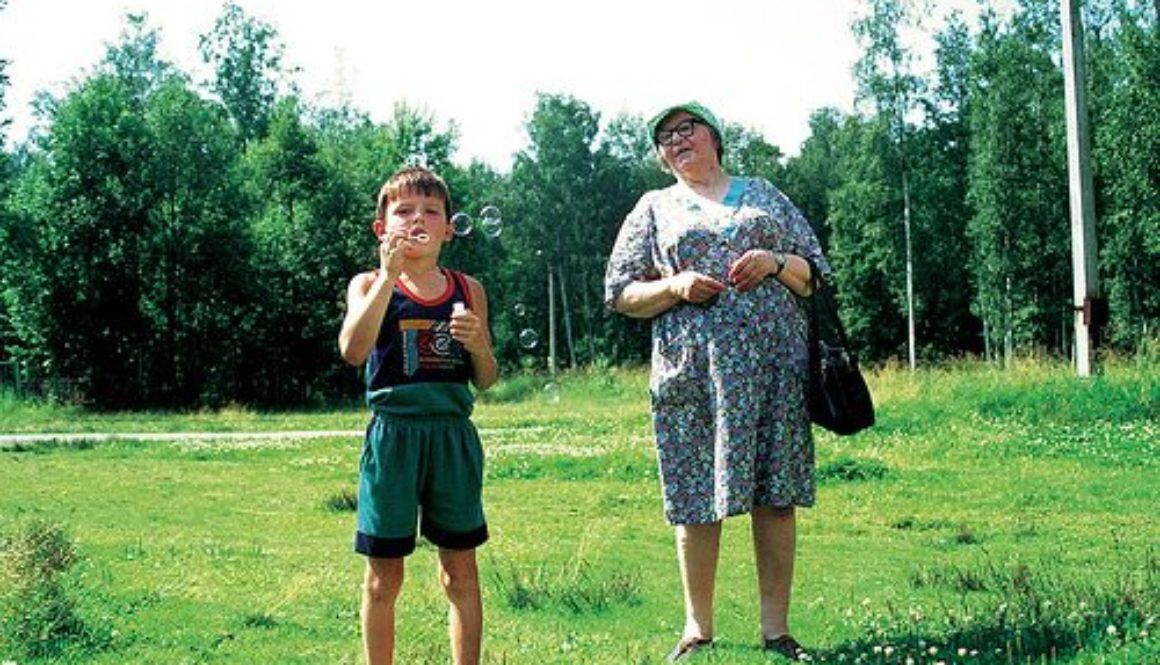
Her town was like many and had a local milk man. You left empty bottles on your doorstep and fresh bottles of wholesome milk magically appeared the next morning. I can remember being a child and taking soda bottles to the grocery and grabbing an ice cold soda out of a cooler full of chipped ice. Seems that all of these bottles were taken back to the plants, washed, sanitized and put back into use. Talk about recycling.
I have a candle that promises the aroma of “fresh linen”. I knew laundry day at my great grandmother’s house from the sheets and overalls hanging from the line off of her back porch. My cousin still lives in the house and we marvel at the hand-cranked washer that Mamaw used until her death. The dryer was solar and wind powered. I wonder what her EnergyStar rating would have been?
Back in Mamaw’s day they didn’t have gym memberships. They walked. They walked to the neighbor for coffee, they walked to town for the latest Sears catalog. They used the catalog to buy the latest rotary mower (a truly green machine; no motor) which they pushed across the yard because the goats were getting into the neighbor’s flowers. Green transportation at its best.
When the mower arrived it was packed in newspaper from a city far, far away from rural Virginia. None of that fancy bubble wrap or styrofoam peanuts.
They didn’t need a fancy GPS or an iPhone to order dinner because having a meal delivered meant that someone stopped at the chicken coop on their way back to the house. One electrical outlet per room and one television for the house. A television with a screen the size of a pie tin. Remember those? A little metal pan that you could use for making desserts with fresh blackberries that you picked up on your walk back from the Sears outlet in town. Then you washed it and made some more.
My great grandmother didn’t have a green movement in her day. She didn’t need one.
I was like a lot of people this week that watched with geek lust the unveiling of the latest incarnation of the iPad. But once the intoxication of the dual cameras and shiny body wore off I began to take stock of my office environment.
Computer, land-line, cell phone, iPod, iPad, DVD player, television…I am officially connected. But as I contemplate the queue for my latest gadget I wander to the closet and see: old tube TV, flip phone, VCR player, Commodore 64.
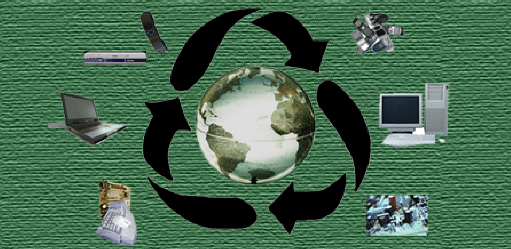
What is the impact of all of these obsoletes? We mine materials, manufacture products, we ship wares, we shop for goods, we bring them home and plug them in and wait for the satisfying hum of new machinery. Then we kill them or grow tired of them.
Discarded electronics (or E-Waste) makes up only 2% of landfill use. But did you know that your old gadgets contribute 70% to overall landfill toxins? Look at what’s inside: copper, lead, nickel, aluminum, cadmium, mercury, not to mention the plastics and glass that don’t really degrade!
We need to start practicing the Four R’s in our connected world: Reduce, Reuse, Recycle, Rethink. I spend more time on my computer than in front of the TV. Programs like Hulu and Netflix are bringing entertainment to my computer. My iPhone holds more music than I could ever listen to in one sitting. My old hard drive is humming like a champ after some petting from a tech squad. I’ve rethought how I’m wired, what’s plugged in, what lights are blinking. Now the Recycle part:
Technology is like a new car driven off of the lot, often obsolete seconds after purchase. Your old gadget should not be considered a waste. It’s a resource! Best Buy and Staples have recently started lease and recycle programs for your used electronics. Sites like econewonline.com and electronicrecyclingofvirginia.com will responsibly dispose of your gadget. Companies like Inveneo and Close the Gap will refurbish your gadget and get it into the hands of folks across America and in Third World Countries who need technology to grow and develop.
So after starting with a responsible, green purchase, remember the Four R’s. When you’re done, unplug.
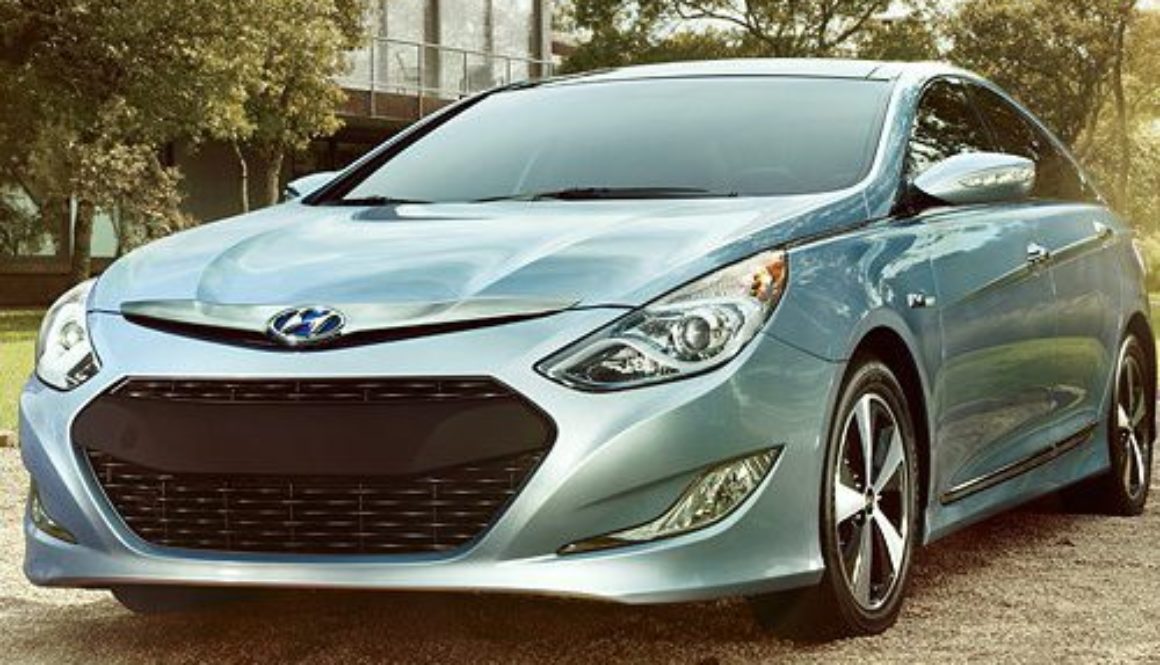
I’ve been thinking a lot lately about our next car. I have challenges of my own, but the first is to choose an environmentally-friendly option for transportation that will work for my 5-year-old, my needs as an entrepreneur, and something that will accommodate my space requirements. Oh yeah, and be affordable and comfortable. And have the necessary conveniences….and….well, you get the picture.
Americans have vices: iPods, GPSs, amenities like heated seats and in-vehicle video and much more. Then we have our need for space (why we all need SUV’s I don’t know), our need for speed and power, and THEN make all these work in an environmentally-friendly, energy-efficient package that also LOOKS GOOD. Whew! This is a challenge.
What to do? Maybe The Daily Green has the right idea: rent!
Thinking of buying an electric car, but don’t know if it will fit your lifestyle? Want to try out some new green vehicular duds before plunking down serious purchase cash? Curious if the Ford Fusion Hybrid is better than your Prius? Perhaps a green rental—for as little as a few hours or even on an entire vacation—is in the cards?
In honor of Earth Month, Keep Virginia Beautiful (KVB) is announcing the 30 Grants In 30 Days campaign. This grant campaign is co-sponsored by KVB, Walmart, and Waste Management.
We are proud to provide the opportunity for organizations in Virginia to apply for one of (30) $1000 grants to be awarded during the 30 days of April, 2011. This grant program will focus greater resources and attention on individual localities throughout the Commonwealth and how they are addressing the issues of litter prevention, recycling, waste reduction, beautification and education.
1. Cigarette Litter Prevention
Ten (10) $1,000 grants to ten separate government or non-profit entities that implement programs within targeted geographic boundaries in Virginia to reduce cigarette litter. Funding would support educational outreach materials, cigarette litter receptacles, and portable ash trays for adult smokers. The purpose of these grants is to support sustainable prevention and a measurable reduction of cigarette litter within the predetermined geographic boundaries.
2. Plastic Shopping Bag Litter Prevention and Recycling
Ten (10) $1,000 grants to ten separate government or non-profit entities that implement programs within targeted geographic boundaries in Virginia to reduce plastic bag waste and litter. Funding would support increasing plastic bag collection sites, education of consumers, and distribution of reusable shopping bags to consumers. The purpose of these grants is to support sustainable prevention, promote a measureable waste reduction and a measureable increase in reuse and recycling of plastic bags within the predetermined geographic boundaries.
3. Beautification and Community Greening
Ten (10) $1,000 grants to ten separate government or non-profit entities within targeted geographic boundaries in Virginia which support programs that beautify and clean including community gardens, restoring vacant lots, highway and shoreline enhancement, plantings, and graffiti abatement. Funding would support community clean-ups, revitalization projects, and sustainable neighborhood gardens. The purpose of these grants is to support beautification efforts within the predetermined geographic boundaries.
Process for Submission
Grant nominations will be accepted online beginning on February 1, 2011 with a deadline of March 15, 2011. A panel of judges will review submissions and award grants for winning applicants in each of the three categories. Grant programs selected must be completed by the end of 2011.
Winning applicants will be notified one week prior to award date. All remaining applicants will be notified by April 30, 2011. Applicants who are selected will receive funding by May 5, 2011.
“A Bag’s Life” Creates Buzz at America Recycles Day at VA Capitol
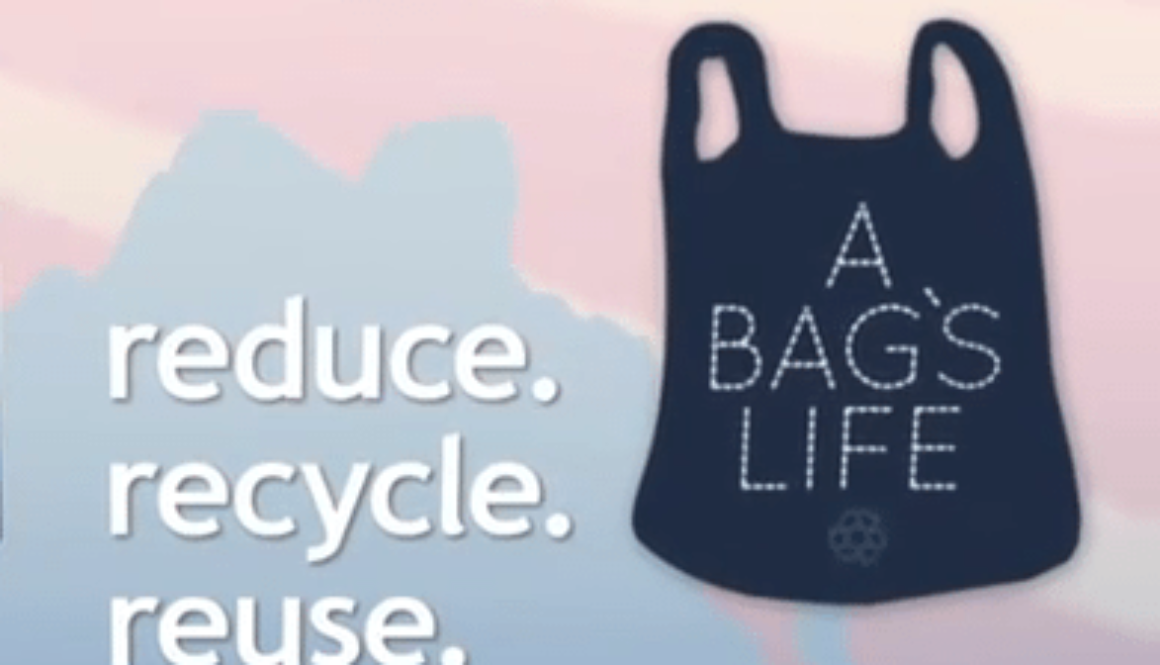
(Richmond, VA) – Nov. 15, 2010 – A statewide plastic bag recycling awareness campaign in Virginia called A Bag’s Life, which includes an interactive and educational website (www.abagslife.com/VA), mobile app with nearly 800 drop-off sites by zip code, and video contest was launched today during America Recycles Day at the Capitol. Keep Virginia Beautiful (KVB),Virginia Retail Federation (VRF), Virginia Recycling Association (VRA), American Chemistry Council (ACC), VA Department of Environmental Quality, and the Office of the Secretary of Natural Resources were among those in the public-private partnership who kicked off the program.
A Bag’s Life, through quirky messaging like “Don’t treat me like trash,” and “Gimme a second chance,” encourages Virginians to reduce, recycle and reuse their free grocery bags. It also reminds consumers that other bags like those used for dry cleaning, newspapers and bread, as well as wraps used on products like paper towels or bottled water also can be dropped off at many retailers for recycling.
“America Recycles Day has been set aside as a day when we individually pledge to take extra steps to reduce waste and make recycling work at home and in our communities,” said Mike Baum, executive director of Keep Virginia Beautiful. “By taking the extra time to bring grocery bags back to the store to be recycled, people are giving that bag a second chance to be made into something else like outdoor decking, park benches, or even new bags. It’s a simple earth-friendly practice that can yield tremendous results.”
Margaret Ballard, vice president, Advocacy for the Virginia Retail Federation, noted that while plastic bag recycling programs are not new to Virginia, a statewide educational initiative that partners public and private groups toward the common goal of recycling plastic bags is unique. The VRF was instrumental in obtaining state funding for the first Plastic Bag Recycling project in the state — in Isle of Wight County. Isle be Green was kicked off in September 2009, and to date more than 1 million plastic bags have been recycled in the county. Nationwide, plastic bag recycling is on the rise, with more than 832 million pounds recycled in 2008.
“Retailers across Virginia are well aware of the impact plastic bag litter has on our roadways and agricultural environment in Virginia,” said Margaret Ballard, vice president, Advocacy, Virginia Retail Federation. “That’s why nearly 800 retail stores are offering their locations to consumers as drop-off sites to recycle these bags. Recycling not only helps clean up plastic bag litter, but supports economic resources for our Virginia-based partners like Trex, the Winchester-based manufacturer of plastic building materials.”
Trex joined in the A Bag’s Life Virginia launch, as well as Hilex Poly, a plastic bag manufacturer with facilities in Richmond.
A Bag’s Life also includes a video contest and social networking element to fire up support for recycling. The easy to use recycle location finder lists the nearest drop-off points and the Google Maps option makes recycling plastic bags and wraps easier than ever before. The plastic bag icon on the website is designed to take on a life of its own, smiling when it’s happy, frowning when it’s not. Website copy suggests that individuals should step up and do their part to address litter and waste rather than blame the bag if it’s not being recycled or reused.
About A Bag’s Life in Virginia
A Bag’s Life is a public educational campaign that unites non-profits, business, community and government organizations around the common goal of promoting the three R’s as they relate to plastic bags — reduce, reuse and recycle. Partners include: Keep Virginia Beautiful, the Department of Environmental Quality, Virginia Retail Federation, Virginia Recycling Association, Trex and the American Chemistry Council. For more information visit www.abagslife.com/VA
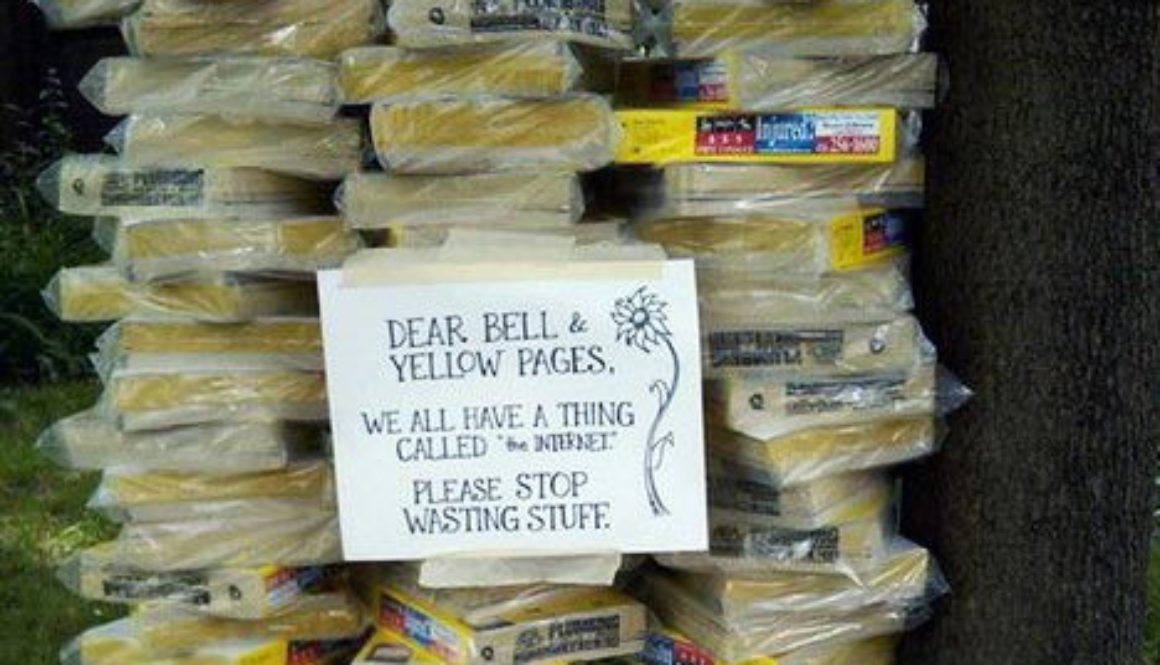
I haven’t used printed Yellow Pages (or White Pages for that matter) in so many years that I forget the last time. In fact, in a world of smart phones, iPads, ubiquitous wi-fi every waking moment, and America’s obsession with content and connection, I find it hard to imagine who still uses these antiquities. I’m sorry to my friends at Verizon, YellowBook, or whoever else is still selling this dying media, but the need for a four-inch-thick alphabetized list of ads and numbers is past its prime.
555 million phone books are delivered in the U.S. annually. The phone book market is a competitive one, and it’s not just Yellow Pages on the doorstep anymore. And even though each company only delivers one per year, that doesn’t preclude other carriers from coming into each market trying to look just like the same old Yellow Pages.
Is there even a “business phone book” concept out there that ISN’T yellow?
According to Earth911.com, in New York City they get as many as five phone books per year. FIVE.
“Annually an estimated 650,000 tons of phone books are distributed to America’s 100+ million households. At an EPA estimated national recycling rate of 18%, only 117,000 tons of phone books are recycled each year, many of them on the day that they are received,” according to treehugger.com.
Luckily, we now have options. For the last year or so the Yellow Pages Association has operated an opt-out service so that unnecessary or unwanted book simply aren’t delivered. The site is fairly easy to navigate, and is quick and painless. Go over to Yellow Pages Opt Out and make yourself heard!
The Yellow Pages was a valid reference book 15 years ago, but has never been the most efficient at delivering the desired data, at least without being draped in display advertising. Now we all fire up Google Maps or one of a few dozen service applications like Yelp or Urban Spoon when we get the urge to get dinner out. Or we fire up our favorite browsers and search engines for a quick answer. It’s nice to know that there’s an option more “in line” with environmentally-conscious individuals who are simply tired of carrying the Yellow/White Pages from the front door stoop, around the porch, to drop the 30-pound bundle directly into the recycling.
This is a fantastic idea for early adopters and gadget freaks (like myself). I’m almost guaranteed to jump on a new product or a new standard, sometimes before it’s even approved for the general public. Meaning, if a new standard of HD video comes around (Blu-Ray) and I bought a DVD player a year ago, I’m basically out of luck and now I’ve got an “old” DVD player to dispose of.
Enter Best Buy’s “Buy Back Program”. The electronics giant has introduced a new program that, for a price, assures that you’ll always get some money back from your OLD electronics (assuming you recycle them within two years). And they take care of the whole recycling process. You don’t need to worry if you’ve disposed of a Li-Ion battery correctly, or whether certain parts could be re-purposed, harvested for repairs, or handed down to a needy community.
In summary: The Buy Back program encourages repeat business because consumers who bring back gear that they no longer want are paid with a Best Buy gift card. Smart….for everyone.
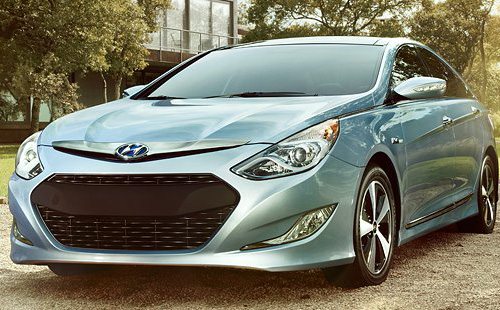
The 2011 EV models are here! My family has been keeping an eye on electric vehicles for a while, with the same longing stare that many of you have probably shared. Somewhere in the back of our collective mindset, two questions seem to resonate:
1. I wish they weren’t so EXPENSIVE.
2. I wish there were some choices and some STYLE to them.
Well, the 2011 offerings have stepped toward the main stream, if not diving directly into it. Still, there are some exceptional looking vehicles in this collection that you and I would not feel awkward driving! Frankly, they’re not “dogs” any longer. So, which of these would you enjoy being seen around town in?
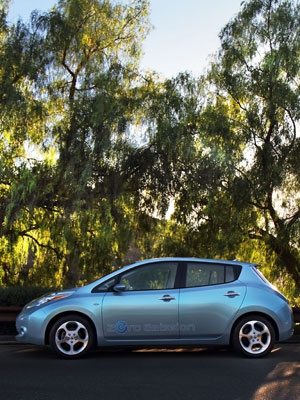
They’re finally here! After years of anticipation, plans, promises and the occasional test drive, electric vehicles (EVs) arrived with a thump this week: Nissan delivered the first Leaf to a customer, Chevy put 350 Volts on trucks for delivery to dealers in several states, Mercedes handed over its first leased F-Cell hydrogen car (to the head of the Producers Guild of America) and Think opened its new Indiana factory with 15 City plug-ins for the state’s Department of Natural Resources.
One of our favorite partners, Keep America Beautiful, has a great guide for preventing litter in the workplace. The original page is here, but these are the takeaways:
Keep Virginia Beautiful, the Virginia Retail Federation and Governor Bob McDonnell’s administration united on November 15th to launch a litter prevention campaign specifically focused on reducing plastic bag waste. “Any type of litter is bad,” said Mike Baum, executive Director of KeepVirginia Beautiful, “it’s bad cosmetically and bad for the environment.” A Bag’s Life promotes recycling and reusing plastic bags. Plastic bags that are not recycled can take up landfill space, increase litter and cause environmental wildlife issues.
A Bag’s Life was announced in Richmond, Virginia at Capitol Square. State officials, businesspeople and local school children were present to kick off the campaign. Virginia residents can easily access a list of nearly 800 locations for plastic bag recycling drop off by visiting A Bag’s Life website.