How will you give Mother Nature a little love in 2011? The time is now. How can you help?
1. Cut down on trash
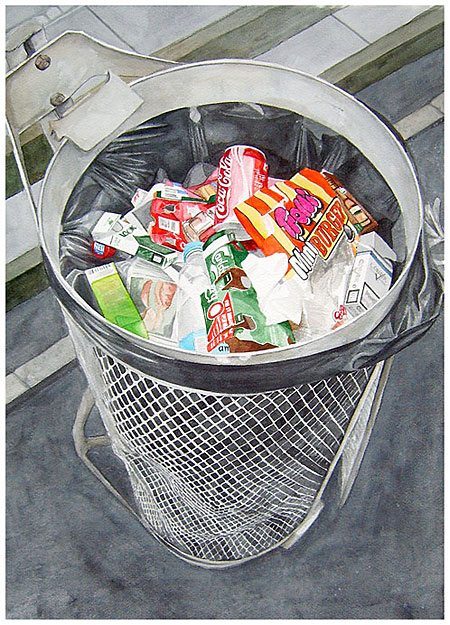
Estimates suggest that up to 90% of the contents of our bins could actually be reused or recycled. What could you reuse? What could you recycle? On average, American’s throw away about 3.5 pounds of trash each day! Yikes.
2. Cut down on pollution
According to The Daily Green Americans generate 30 billion foam cups, 220 million tires, and 1.8 billion disposable diapers every year. Did you really need to save 50 cents by buying the Styrofoam cups instead of the paper cups?
3. Cut down on water waste
Over the course of a year, we waste 4 gallons of water just by running the water while we brush our teeth! Some experts estimate that more than 50 percent of landscape water use goes to waste because of evaporation or runoff caused by over-watering.
4. Reduce electricity consumption
Refrigerators account for about 20 percent of household electricity use. If you set it on 37 degrees and your freezer as close to 3 degrees and you’ll cut that figure drastically. Another simple step…set your dishwasher to air dry rather than heat and you’ll save 20 percent of your dishwasher’s total electricity use.
5. Recycle
If every American household recycled just one out of every ten HDPE bottles they used, we’d keep 200 million pounds of the plastic out of landfills every year. Recycling one aluminum can saves enough energy to run a 100-watt bulb for 20 hours, a computer for 3 hours, or a TV for 2 hours. (EPA, 2008)
6. Buy eco friendly products
How many brown paper lunch bags do you and your kids use every year? And what about all of those little plastic sandwich and snack bags? How about replacing those with a one time purchase that will not end up in a landfill? Check out these Eco-Friendly Insulated Lunch Bags from GreenSmart. Or these super fun designs for your kids that have individual containers inside the lunch box from Obentec.

7. Give back to nature
Here’s an obvious way…plant a tree. But did you know that you can easily donate to a nature-related organization with your license plate purchase? Check out these
license plates and choose a wildlife or environmental organization with a designated license plate. A donation is sent to that organization each year you renew the plates.
8. Buy local
It may seem like a no-brainer to many of you, but it’s easy to forget that shopping local, can benefit your impact on Mother Nature in numerous ways. Shopping locally will stimulate your local economy, however it also eliminates the need for fuel-guzzling transportation. An average fresh food item on our dinner table travels 1,500 miles to get there. Buying locally produced food eliminates the need for all that travel.
Local farmers are often less dependent on pesticides and insecticides and less likely to use nitrogen-based fertilizers in the overwhelming quantities that mass producers use. In other words, the environmental impacts of shopping locally will most definitely effect Mother Nature in the near and long-term.
9. Cut down on air pollution
We make choices everyday that can help reduce air pollution. Walk to work or drive? Paint with water-based paints verses oil or varnishes. Use a solid deodorant rather than an aerosol. I bet you can think of a few too….
10. Educate Others
Share what you learn along the path of living a greener life. Instill these values in your children, friends, family and colleagues.
Sources:
Chelsea Green
The Daily Green
PowerScorecard
Oberlin
Mother Nature Network


 Each new year, we all make our resolutions. What’s yours? My goal is to clean up a little bit of Virginia every day. Pick up trash. Recycle more. Sweep up public areas when I can, etc. How are you going to help?