
Got Milkweed?
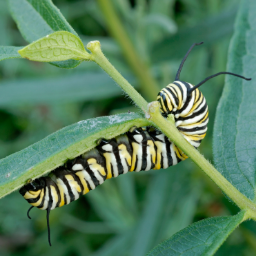 Milkweed is an unsung hero of the pollinator world. The humble plant is not much to look at, and even has the word “weed” in its name! But it plays a very important role for pollinators and the beautiful monarch butterfly. By planting milkweed, we can help protect vulnerable pollinator populations.
Milkweeds are a diverse group of native wildflowers, and the Asclepias species are not listed as noxious weeds at either the state or federal level in the U.S. The Common Milkweed (Asclepias syriaca) spreads the most. Other species such as Swamp Milkweed (Asclepias incarnata), and Showy Milkweed (Asclepias speciosa) tend not to stray far from where you plant them. You don’t need to remember the Latin names, but you will need to reference them if you want to purchase seeds or plants, to make sure you’re getting the milkweed plant you had in mind. Milkweeds grow well in Virginia, and are available at some native plant nurseries and seed catalogues. If you already have milkweed planted in your yard, now is the time to look closely at the plants for the monarch caterpillars!
Monarch caterpillars (which eventually become lovely monarch butterflies) can only eat milkweed leaves. This is essential to their survival. The toxins from the leaves build up in their systems, and though it will not harm the insect, it will make them poisonous to predators later in life. This survival mechanism is so important that monarch butterflies will only lay their eggs on milkweed plants.
Sadly, the decreasing milkweed population has had a negative impact on monarch butterflies. We are losing significant portions of our milkweed to commercialization and overeager land management practices. Eastern monarch populations have declined 90% in the last decade. They are currently on the waiting list to be recognized as an endangered species.
Remembering the importance of this awesome plant is key to protecting it in the wild, and adding it to our home landscapes. Milkweed nectar provides an important source of food for bees, butterflies, and other beneficial insects. By planting milkweed, you can attract and support pollinators, and provide habitat for the beautiful monarchs butterflies.