
What Is Zero Waste?
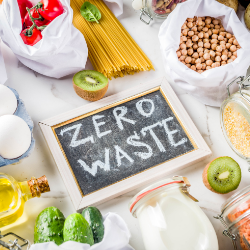 There’s a lot of talk surrounding “Zero Waste,” but what exactly is it? The definition of zero waste according to the Zero Waste International Alliance (ZWIA) is as follows:
“Zero waste: The conservation of all resources by means of responsible production, consumption, reuse, and recovery of products, packaging, and materials without burning and with no discharges to land, water, or air that threaten the environment or human health.”
Although producers and politicians can have a great impact on the way we consume and dispose of products, Zero Waste is a practice that individuals can easily implement at home.
The goal has shifted from a product being packaged in recyclable materials, to a package that is compostable (dissolving in the compost pile instead of being shipped somewhere to be recycled), or even products with no packaging, such as bringing your own reusable produce bags or glass jars to purchase a portion of items offered in bulk. We can be more mindful of what we purchase, or what we don’t purchase, by considering options such as thrift stores for clothing, and rental or borrowing of yard tools instead of purchasing new items that collect dust in our garage or storage shed.
Keep America Beautiful, our parent affiliate, suggests these six steps to move towards a Zero Waste lifestyle:
- Analyze your purchasing behavior
- From the food you buy to the clothes you wear, take a look at what items you can live without or make yourself. Purchase items that have good quality and will last a long time. Tidy up your home, donate unneeded items, and consider different ways you can reuse an item. You can also consider renting items that you do not plan to use every day.

- From the food you buy to the clothes you wear, take a look at what items you can live without or make yourself. Purchase items that have good quality and will last a long time. Tidy up your home, donate unneeded items, and consider different ways you can reuse an item. You can also consider renting items that you do not plan to use every day.
- Buy in bulk
- Visit the local grocery store with the largest bulk food aisle. Keep in mind that it is important to find a store that permits you to weigh (or ‘tare’) your own bags and containers before filling. Items such as glass jars, stainless steel containers, or cloth bags can be used to store your items.
- Refuse unnecessary products and promotional items
- Saying no can be hard, but first, think about if you need this item and whether you can save it from entering the landfill within a year. Many promotional items are often made with cheap materials that are not durable. Instead, consider investing in items that can be used for years for multiple purposes.
- Change up your commute
- Cars produce one of the highest carbon emissions released into the atmosphere. Consider biking, rideshares, or taking public transportation when commuting.
- Reconsider what you’re currently using
- Can you replace some of the products you buy with others that come package-free? Find various alternatives to things like personal care products and cosmetics, such as using a bar of soap or shampoo bar rather than the liquid that is in a container. Click here for tips on zero-waste bathroom habits from I Love A Clean San Diego, a Keep America Beautiful affiliate.
- Reduce food waste
- Plan out your meals for the week, and reuse ingredients across multiple meals. Rather than throwing away scraps, from vegetable remnants to eggshells, you can compost them into nutrient-rich fertilizer. Put fruits and vegetables on the brink of going bad in the freezer to be used later for other items, such as soups and smoothies. Additionally, consider working with local farmers or subscribe to services that take the ugly produce and deliver it to your door. Click here for more tips on zero-waste grocery shopping from Everything Bags Inc.
Keep America Beautiful recently completed a webinar addressing the issue of Zero Waste. You can view the one-hour recording on YouTube titled “Zero Waste Communities: A Vision for Our Future” here.